

And how can we forget the “Got Milk” campaign that began in 1995 and depicted various celebrities showcasing a milk mustache?


Side note….that “milk” mustache was actually made of a mix of milk, ice cream and sour cream.
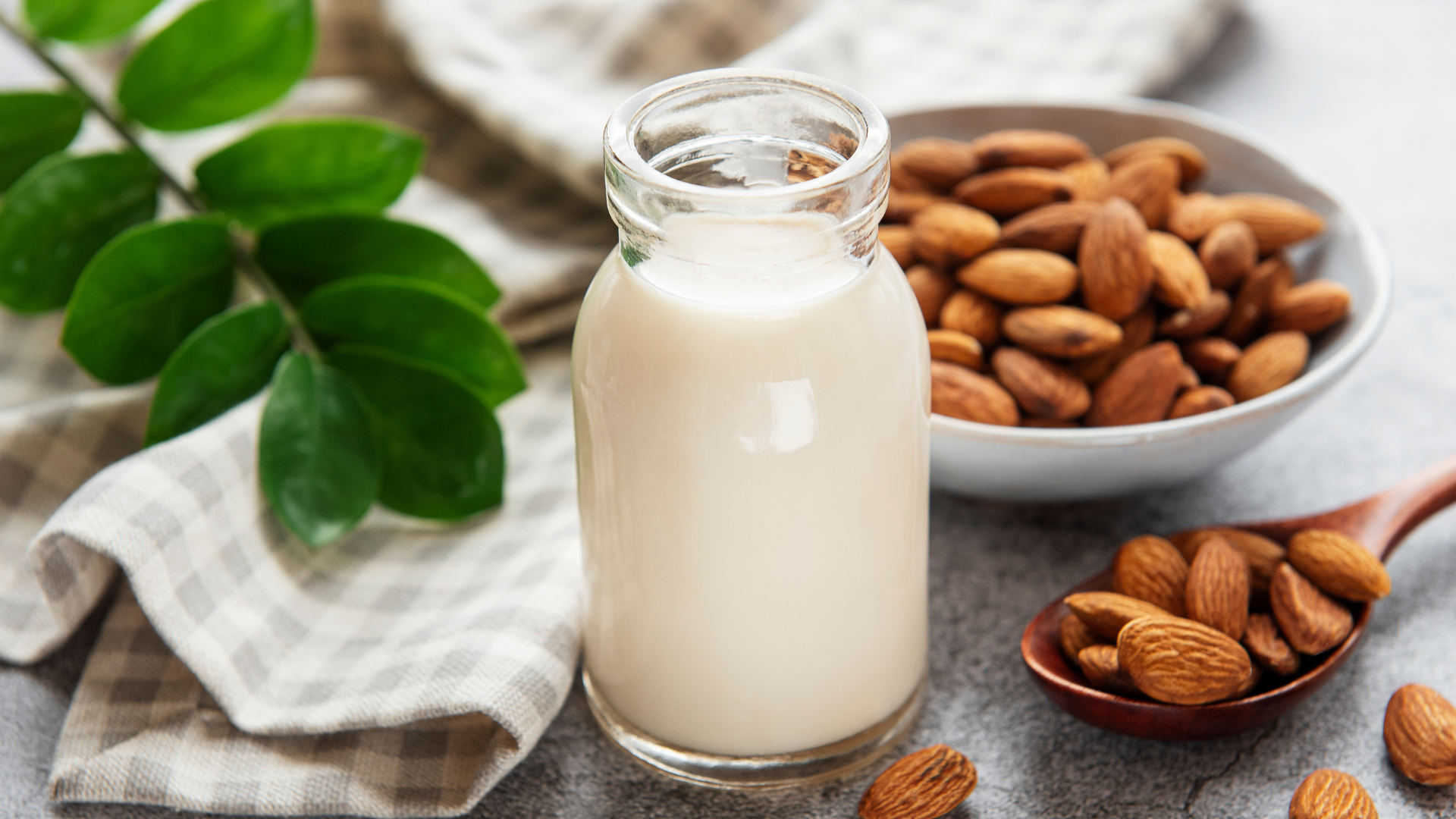
Now that more and more people are lactose-intolerant and/or labeling themselves as vegan or environmentally-conscious, there are many more milk options. Options include almond, soy, coconut, oat, rice, cashew, macadamia and hemp milks.
We all know that milk comes from cows and only mammals (which include we humans) can give milk. So how do these manufacturers “milk” an almond? And what ingredients do they add to make these plant-based “milks” look and taste like cow’s milk?
Let’s investigate….
In 2023, the alternative milk industry generated $3.6 billion dollars with almond milk being the most popular and oat milk taking second place.
Reasons for purchasing and using plant-based milks include:
- vegan lifestyle
- environmental impact
- lactose intolerance
- religious/ethnic reasons
Let me point out an interesting fact regarding almond milk and the environmental impact reason for drinking almond milk. California, known to be a drought-like state, produces around 80% of almonds in the U.S. Almond milk is the least sustainable as it uses 60% of the water that is needed for an equal amount of cow’s milk.
The NY Times published this statistic regarding plant-based milks:

So how are plant-based milks made?
Per Allplants.com: The main ingredient (such as nuts) is soaked in water for several hours, before being blended into a puree. This mixture is filtered to separate the milk from the plant matter, and is boiled to sterilize the milk as well as add flavor. Some flavoring can then be added, such as vanilla or sugars, for taste.
MDPI published an illustration regarding the steps taken to produce plant-based milks:

Sounds a lot more manufactured when compared to milking a cow, right?
Unfortunately, with our current food industry using more artificial ingredients, hormones, and antibiotics especially in our dairy and meat industries, cow’s milk isn’t always the best either.
Per the Rodale Institute:
- 60% of conventional milk samples tested contained antibiotic residues. No antibiotic residues were found in organic milk samples.
- Conventional milk was found to have levels of bovine growth hormones 20 times higher than organic milk.
- Pesticides like atrazine, permethrin, and more were found in 26% to 60% of conventional milk samples, while none were found in organic samples.
- 59% of conventional milk samples contained the controversial and restricted-use pesticide chlorphyrifos.
You may be asking yourself why growth hormones and antibiotics are injected in cows which, in turn, is also in our milk.
The growth hormones are used to increase milk production. By using these hormones, cows mature quicker and will produce more milk while using less feed. The bottom line is greed. Plain and simple.
Antibiotics are used to treat diseases and control the spread of disease in healthy animals. They are used even though there is no disease present but primarily used as a “precaution”. With the prevalent use of antibiotics already in our society and compounding that with drinking milk laced with antibiotics, it is no surprise that many speculate a great antibiotic resistance coming to fruition in our society.
Based on the statistics above, organic cow’s milk is best. It may be a little more expensive, but think of the health benefits and how you may be preventing any health issues in the future.
With more attention being given to antibiotic and growth hormone use in cow’s milk, people have looked more and more to plant-based milks. But just as cow’s milk can be highly manufactured, so can plant-based milks. Just because it is labeled with the word “plant” in them, doesn’t mean they are pure and all natural.
According to PlenishDrinks.com, plant-based milks may contain the following:
- Genetically Modified Oils – helps to thicken the consistency; however people may experience intestinal issues due to the fact that these oils, which are extracted from vegetables, have been sprayed with pesticides and GMO’s in the process
- Emulsifiers and Gums – also used as thickening agents, emulsifiers such as xanthan gum and guar gum have been linked to digestive issues, weight gain, and colitis
- Evaporated Cane Juice/Sugar/Syrup – all of these are sugar types, used to sweeten a plant-based milk, but can have direct impact to your blood sugar
- Natural Flavors/Colors – basically artificial sweeteners or a form of MSG, they are used to enhance flavor to the milk, but are also enhanced with preservatives that can cause allergies and headaches
- Vitamin D2 – this is a synthetic version and not to be confused with the Vitamin D3 that is naturally produced in the body. Because it is not a true Vitamin D, the body cannot digest it properly and may cause intestinal issues.
- Carrageenan – also used as a thickening agent, it is derived from red seaweed but because it is processed, it has been found to lead to chronic inflammation, IBS, and other gastro issues.
- Lecithin – used as an emulsifier, it has been shown to generate gastro issues such as diarrhea, nausea and stomach pain
- Phosphates – used as an emulsifier, phosphates have been linked to organ calcification and kidney damage
The Jay Shetty Podcast on YouTube interviewed Dave Asprey, an advocate of the Bulletproof Diet, regarding plant-based milks and Mr. Asprey had some interesting information to share. Please click here to watch.
Now that you know that cow’s milk is laced with hormones and antibiotics and plant-based milks contain additives that harm your body, you may be wondering what milk is out there that is safe to drink?
Firstly, if you are not lactose intolerant, organic cow’s milk is an excellent option. Organic dairy farmers are prohibited from using any hormones and antibiotics. Cows are fed 100% organic feed and calves are fed organic feed and organic milk. Furthermore, cows are allowed to roam freely and any feed on the pasture must be 100% organic as well.
As for the plant-based milks, you will need to pay more attention to the labels and try the best to not buy any that contain the above-mentioned ingredients. However, some brand suggestions are:
- Joi
- Elmhurst
- Three Trees
If you would like further reading I suggest you read “Milk: The Deadly Poison” by Robert Cohen. It is an excellent source of information on how cows are treated, how milk is processed and how processed milk is harmful to our bodies.
Always remember to read the labels FIRST and just because the products’ marketing contains key words like “plant” or “natural” or “vegan” or “earth friendly,” does NOT mean it is natural or friendly to your health.



Leave a Reply