

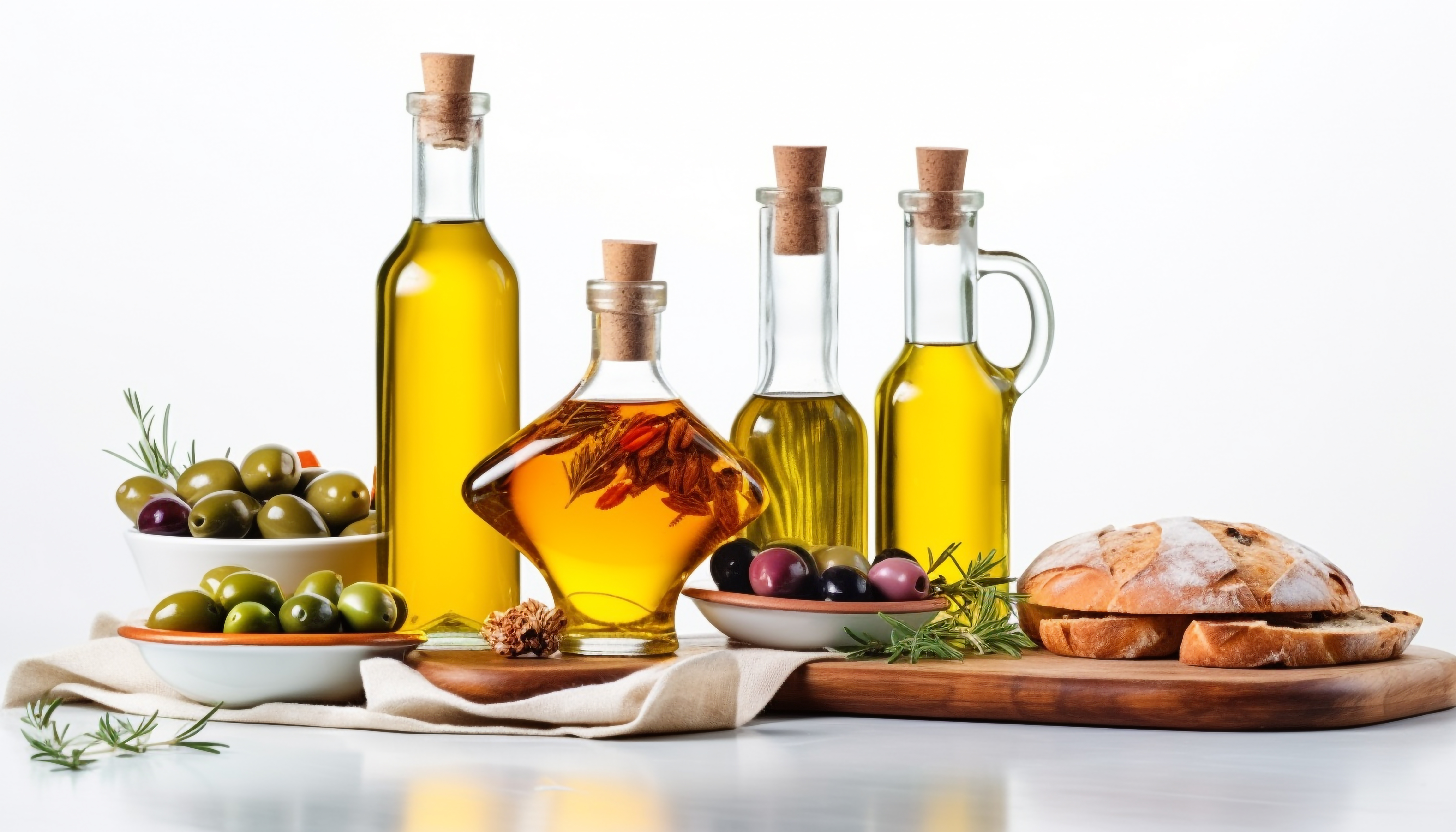

Consuming an oil used to be a taboo as it was labeled as high in fat, linked to clogged arteries and heart disease. Now, thanks to better research, consuming various oils are a health benefit. They contain healthy fats, antioxidants, rich in Vitamins A, D, E and K and are labeled as “heart healthy”.
In fact, consuming oils is a staple in various diets such as the Mediterranean Diet, which recommends consuming oils on a daily basis.
There are many different oils on the market. They include:
- almond
- avocado
- canola
- coconut
- corn
- flaxseed
- grapeseed
- hazlenut
- hemp seed
- mustard
- olive
- peanut
- rice bean
- safflower
- soybean
- sunflower
- vegetable
- walnut
But did you know that oils have a “smoke point” and certain oils have higher smoke points than others?
A smoke point is defined as: The smoke point, also referred to as the burning point, is the temperature at which an oil or fat begins to produce a continuous bluish smoke that becomes clearly visible, dependent upon specific and defined conditions. Smoke point values can vary greatly, depending on factors such as the volume of oil utilized, the size of the container, the presence of air currents, the type and source of light as well as the quality of the oil and its acidity content, otherwise known as free fatty acid (FFA) content. The more FFA an oil contains, the quicker it will break down and start smoking. The lower the value of FFA, the higher the smoke point.
Certain oils have higher smoke points and the higher the smoke point, the better oil for cooking (exposing to high heat).
Here is a breakdown of popular cooking oils and their corresponding smoke points, from highest to lowest:
- Avocado (refined): 520 degrees F
- Peanut (refined): 450 degrees F
- Olive (light): 450 degrees F
- Rice Bran: 450 degrees F
- Safflower: 450 degrees F
- Soybean: 450 degrees F
- Canola: 435 degrees F
- Grapeseed: 421 degrees F
- Corn: 410 degrees F
- Olive (Extra Virgin): 374 degrees F
- Coconut: 350 degrees F
- Sesame: 350 degrees F
- Peanut: 320 degrees F
- Sunflower: 225 degrees F
ThermoBlog did a deeper dive regarding smoke points:
“To understand smoke points, we first need to understand what oils and fats are. First, oils are the same thing as fats, but fats are generally solid at room temperature, while oils are liquid. Here, we’ll just refer to the group as “oils.” Oil molecules are made of groups of three fatty acids of varying lengths, all connected to a glycerol molecule. (Hence the name triglycerides.)
Each of those fatty acid chains can be either saturated or unsaturated. Saturated fats have a hydrogen atom at every location where one can be. Unsaturated fats have hydrogens missing, where carbon atoms have to form double bonds. That double bonding causes the chain to bend. If more than one hydrogen is missing (poly-unsaturated), it’s even bendier.
Why does any of this matter? Stacking. If all the fatty acids in an oil are saturated, they form straight, block-like molecules that can stack on top of each other easily. That ready stackability is why saturated fats are more likely to be solid at room temp. But if many of the fatty acids are bent, they don’t lay flat and compress; they stay liquid. Think of a ream of paper stacked neatly vs. a ream of paper that has been through a shredder—the same amount of paper takes up more space.
But oils also contain fatty acids that are not bound up with a glyceride. These are known as “free fatty acids,” and their presence in an oil helps determine its smoke point.”
When an oil reaches its max smoke point what happens to the oil?
Phytochemicals and nutrients within the oil and the food in which is being cooked in the oil become destroyed. It also creates a highly flammable environment and releases free radicals that are harmful for your health.
It is important to remember that when cooking, deep-frying or grilling with cooking oil, use an oil with a high smoke point and I strongly recommend using avocado oil in this matter as it has the highest smoke point.
For sautéing or drizzling on salads or breads, any oil is fine including ones that have a low smoke point as you aren’t “cooking” or exposing to high heat with it.
But are there are any bad oils you should just totally avoid altogether on the above list? Which ones are natural and which ones are highly processed? Here are the oils you should AVOID:
Canola Oil: made from crushed canola seeds, canola oil has been controversial for it being highly processed and made from genetically-modified crops. Some claims include the extraction process which involves heat and chemical solvents. AMS Cardiology wrote Canola Oil is one of the worst oils for your heart. A compound, erucic acid, that is found in canola oil is banned in Europe due to its negative effect on the heart.
Soybean Oil: used in a LOT of processed foods. Recent research has found that soybean oil is linked to obesity, diabetes, autism, Alzheimer’s, anxiety, depression and chronic inflammation of the large intestine. Soybeans in their self are a highly processed food.
Corn Oil: because it is another highly processed food and high in inflammatory omega-6 fats, it should be avoided. Also, the chemical solvent, hexane, is used in the production process and hexane is a known toxin.
Sunflower Oil: also high in inflammatory omega-6 fats, when exposed to heat, it releases high levels of aldehyde, a toxin that is known to be mutagenic and carcinogenic.
And let’s not forget that proper storage of your cooking oils is essential as well. The major enemies of any cooking oil include time, heat, oxygen and light. Here is how you store various good/healthy cooking oils:
Olive Oil:
- leave in original container; do not transfer it to another container because in doing so you are allowing oxygen to infiltrate the oil and will make it become rancid faster.
- make sure the oil bottle is dark green as this type of bottle helps filter damaging UV rays
- make sure the lid of the bottle is always tightly secured
- store in a cool, dark cupboard
- do not store anywhere near your stove as the heat from the stove will accelerate rancidity
- once you open your bottle, use it within 30-60 days; unopened bottles can last for two years
Avocado Oil:
- leave in original container; due not transfer it to another container because in doing so you are allowing oxygen to infiltrate the oil and will make it become rancid faster
- make sure the oil bottle is dark green as this type of bottle helps filter damaging UV rays
- make sure the lid of the bottle is always tightly secured
- store in a cool, dark cupboard
- do not store anywhere near your stove as the heat from the stove will accelerate rancidity
- once you open your botte, use it within 6-8 months; unopened bottles can last for 1-2 years
Coconut Oil:
- make sure the lid of the bottle is always tightly secured
- store in a cool, dark cupboard
- you may store in the refrigerator, but remember the oil will harden
- be quick to discard any rancid coconut oil; signs or rancidity include yellowish color, chunky texture or sour/bitter odor
Sesame Oil:
- make sure the lid of the bottle is always tightly secured
- can be stored in the refrigerator for a longer shelf life and will not solidify like coconut oil
- do not transfer to another bottle as sesame oil is extremely sensitive to heat, light and oxygen
A new oil that is being marketed is algae oil. A company called Algae Cooking Club is harnessing oil from algae, a known rich source of vitamins and minerals, to be made into a healthy cooking oil.
Kas Saidi, founder of the company, said: ““Algae is the mother of all plants and it’s the origin of oil in nature. It takes just a few days to produce the oil, with a fraction of the resources and emissions needed. Once you know this, it’s a bit odd to think we wait entire harvests to squeeze all of these other plants to try and get a sliver of oil out of them. Also, by going straight to the source, we get a better composition of Omega-9 good fats – even more than olive and avocado oil. This purity of fats gives it a supremely high smoke point and a super low composition of Omega-6 linoleic fats.”
It will be interesting to see if algae oil becomes the new olive or avocado oil! How exciting to see this unfold!
With people wanting more healthy options, more and more restaurants are doing away with conventional vegetable oils like corn and soy, and using oils such as avocado, coconut and olive oils. I encourage you to read the Arizona Daily Sun’s article about alternative cooking oils and restaurant kitchens. Click here.
On a final note, oils aren’t just used for cooking, but for skincare as well. Dating back to ancient Egypt, oils such as olive, almond and coconut oil were used to nourish and hydrate the skin. Avocado is an exceptional oil for your skin as it rich in oleic acid, which helps with boosting collagen and the regeneration of skin tissue.
And best of all? There are no added toxins or chemicals to these oils! Your standard over the counter lotions and moisturizers are packed with artificial ingredients that can actually dehydrate your skin and, with some, cause cancer!
Now that you know what oils are best to use health-wise and you know about the various smoke points of cooking oils, it’s time to put your knowledge to use in the kitchen. Knowledge is power and that’s oil you need 🙂



Leave a Reply