
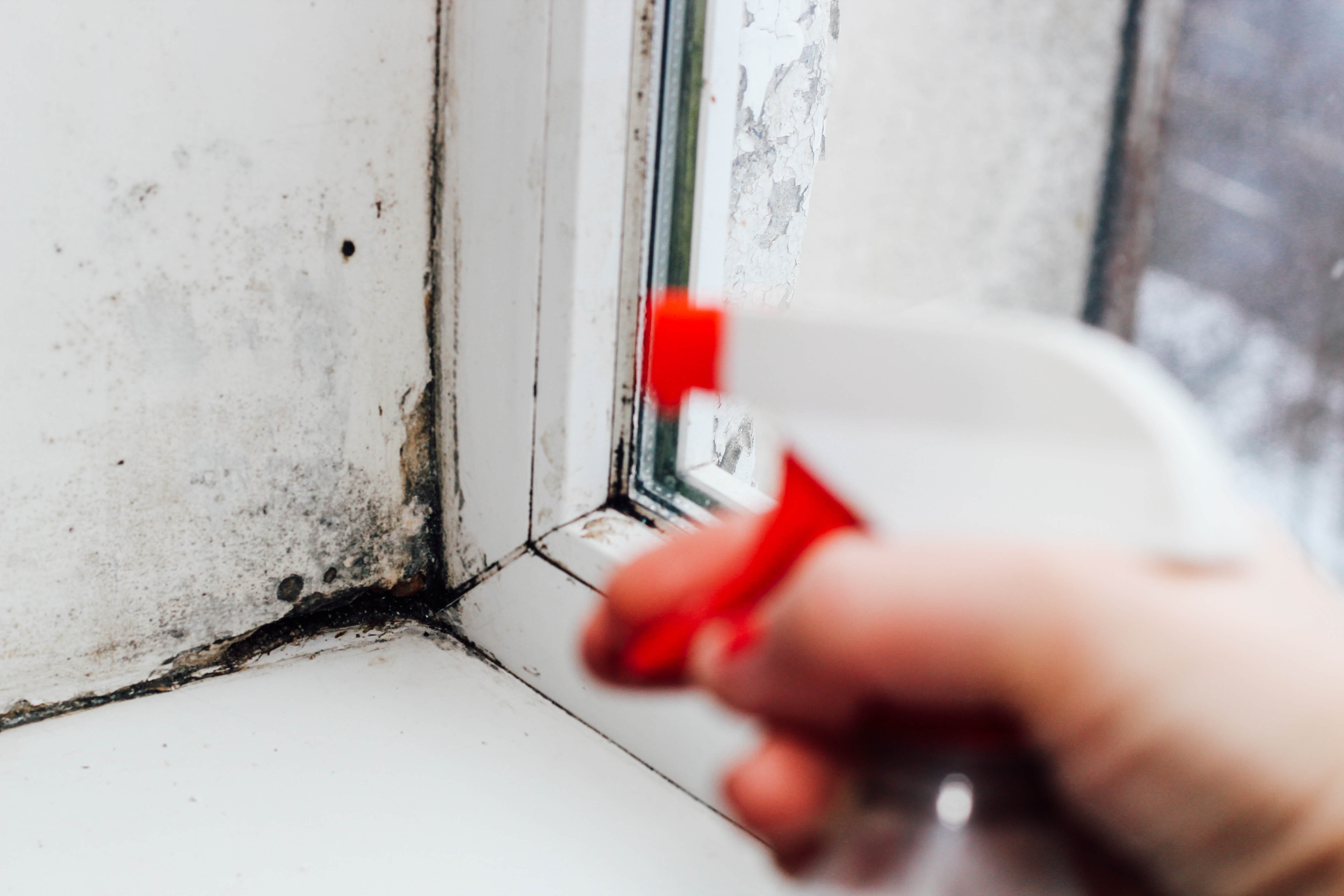

What do you get when you mix water/moisture, poor ventilation, lack of sunlight and dust? You get mold that is not only ugly to the naked eye, but can cause a host of symptoms that can be mistakenly diagnosed for other ailments. With the warmer humid weather on the horizon, let’s dig into the dangers and consequences of mold.
Mold is a fungi that grows in damp and dark places; places where there is poor ventilation and poor sunlight exposure. It can come in various colors from black, gray and green to purple, pink and red; colors are determined by humidity level and light.
The Utah Flood Cleanup website depicted the different colors of mode in this chart:

Some common molds found in houses include:
- Green/White/Gray – Aspergillus, found on walls
- Black/Green – Cladosporium, found on textiles, painted surfaces and wood
- Blue/Green – Penicillin, found on water-damaged materials including wallpaper, carpeting and insulation
- Black – Stachybotrys Chartarum, found on drywall, paper and fiberboard
- Green/Brown – Alternaria, found in leaky sinks and showers;
- White/Brown – Chaetomium, found in water-damaged buildings and on drywall, baseboards, wallpaper and windows
- Pink/White/Red – Fusarium, found on water-damaged carpet and fabrics
- White/Green – Trichoderma, found on damp furniture and carpets
- Black – Ulocladium, found in rooms that have had flooding or have been water-damaged with kitchens, bathrooms and basements being most common
- Pink/Brown/Black – Aureobasidium, found behind wallpaper or on wood surfaces
- Pink/Gray/Orange/White – Acremonium, found in humidifiers, cooling coils, drain pans and window sealants
- White/Gray – Mucor, found in HVAC systems and duct work
- Yellow/Brown – Serpula Lacrymans, found on wooden materials most often in basements and crawlspaces
- Yellow/Brown – Epicoccum, found on wood and drywall
- Black/Brown – Rhizopus, found on building materials in water-damaged buildings
- White/Yellow/Green – Paecilomyces, found in soil but can also invade water-damaged buildings
- Pink/Purple/Red – Phoma, found on painted surfaces and cement
- White – Absidia, found on water-damaged wood and drywall
- White – Arthrinium, found in decaying plant materials and soils and water-damaged buildings
Common symptoms of mold exposure include:
- eye irritation
- wheezing
- sneezing
- runny nose
- headache/migraine
- fatigue
- throat irritation
- skin irritation (rash and itchiness)
- asthma
- nail infections
But, did you know that there is such a thing as mold toxicity? Too much exposure to mold can wreak havoc on your body and if your body has a weakened immune system, it will not be able to “flush” the mold/fungi spores out of your body as quickly and easily. Sadly, the medical community doesn’t all agree on the presence and severity of mold toxicity and it has become another highly controversial subject. Furthermore, actual mold toxicity can be diagnosed as a completely different ailment; leaving the patient suffering from mold exposure but being treated for something else entirely.
Dr. Ruscio defines mold toxicity as: mold toxicity is an illness caused by exposure to mold spores and mold biotoxins. As the word implies, biotoxins are toxic substances made by biological organisms, like molds or bacteria.
And what about mycotoxins? He explains: Mold can cause irritating symptoms, but mold toxins — called mycotoxins — are often the bigger problem. Not all types of molds produce mycotoxins, but many do, including common household molds like Aspergillus, Penicillium, and Stachybotrys chartarum (black mold). Fungal mycotoxins have been shown to cause adverse human health effects, may behave as allergens, and some types can be more toxic than industrial toxins.
Genesis Performance depicted the cycle of how mold evolves:

Symptoms from mold toxicity include:
- memory loss
- gastrointenstinal issues
- confusion
- impaired motor skills
- anxiety
- depression
- dizziness or vertigo
- tinnitus
- mood changes
- hair loss
- excessive thirst
- food allergies
- dehydration
- insomnia
- weight gain/loss
- breathing issues
- menstrual disruptions
- numbness or tingling in extremities
- metallic taste in mouth
- death
Mold toxicity can mimic quite a few other diagnosed ailments including:
- fibromyalgia
- rheumatoid arthritis
- chronic fatigue syndrome
- seasonal allergies
- irritable bowl syndrome
- Alzheimer’s
- Parkinson’s
- sinus infections
- gallbladder problems
- hormonal imbalances
- panic attacks
- mast cell activation syndrome
- chemical sensitivities
- exercise intolerance
- candida overgrowth
- migraine
Some interesting facts about mold include:
- Lyme disease and mold often go hand-in-hand – Dr. Jay Davidson
- at least 50% of all buildings in the US have a mold issue – Dr. Andrew Heyman
- mycotoxins have been used as chemical warfare – Dr. Mercola
- 22%-25% of people are genetically predisposed to get sick from mold – Dr. Andrew Heyman
- there was a 400% increase in the prevalence of autoimmune disease in occupants of water-damaged buildings exposed to toxic mold – Empowered Autoimmune
- Infants who are exposed to mold in their living environments have nearly a 3X greater risk of becoming asthmatic than those who did not have extensive mold exposure in their first year of life – Michael Pinto
- 93% of chronic sinus infections have been attributed to mold – Mayo Clinic
- Each year mold destroys more wood than all the fires and termites combined – Luke Armstrong
- Any kind of water damage (flood, pipe burst, leakage) can facilitate the growth of a mold in as soon as 24-48 hours – Service Master Restore
From the above image, you can see CIRS at the top and that stands for Chronic Inflammatory Response Syndrome, a progressive, multi-system, multi-symptom illness characterized by exposure to biotoxins. The ongoing inflammation can affect virtually any organ system of the body and if left untreated becomes debilitating.
Exposure to mold can trigger CIRS as well as:
- chronic sinus infections with MARCONS
- tick borne illnesses
- ciguatera contaminated fish
- brown recluse spider bite infections
Per the Virginia Center for Health and Wellness: Patients with CIRS are often misdiagnosed as having depression, anxiety, post-traumatic stress disorder, and somatization; as well as Alzheimer’s, Parkinsonism, allergy, fibromyalgia, and chronic fatigue syndrome, among others. Treating patients for these seemingly diverse conditions do not improve their symptoms of CIRS, although effective therapies for CIRS exist. CIRS is an activation of the innate immune system, making a proper diagnosis difficult since common parameters of inflammation are generally negative upon laboratory evaluation.
Ritchie Shoemaker, a renowned biotoxin illness specialist, illustrates the Biotoxin Pathway:

So why is mold toxicity so controversial and often misdiagnosed in this day and age?
According to Megan McElroy, physician assistant at Parsley Health: Mold toxicity issues are commonly overlooked in conventional medicine. Why? Because mold toxicity can cause a wide range of symptoms that can be hard to describe if you have them and hard to piece together for your doctor, especially if they don’t have experience and training in mold issues. Conventional medicine recognizes that mold can cause allergies but does not recognize that mycotoxins emitted by some species of indoor mold can cause a problem.
So why the ignorance amongst doctors? Several factors include:
- no standard in testing for mold
- no treatment or drug for mold toxicity
- limited studies conducted looking at the relationship between mycotoxins and human health
- mold symptoms are too varied when it comes to each patient
- not all patients have a reaction to mold mycotoxins
There are quite a few testimonials online about people going from healthy individuals to suffering from life-altering symptoms, being constantly misdiagnosed and then, thru the proper doctors, were diagnosed with mold toxicity. The great news is they over came it with the proper treatment and are back to feeling their healthy selves again. Some of the testimonies I encourage you to read are:
If you have read my previous blog posts, you know that a drug is not the cure all for anything and when it comes to proper diagnosis and treatment, you tend to seek help from a naturopathic doctor who are known to get to the direct cause of your symptoms.
Testing is important when trying to diagnose mold toxicity and some common tests include:
- Mytoxin Testing – detects the presence of mycotoxins caused by mold in the body and the home via a urine and environmental test
- IGE Testing – measures the amounts of IGE antibodies in the blood; higher amounts of these antibodies can indicate the body is overreacting to allergens such as mold, viruses and bacteria
- Scratch Allergy Testing – pricks the skin to see if there is an allergic reaction
- GI Testing – an x-ray that looks at your esophagus, stomach, small and large intestine and rectum; can detect the presence of mold within the gut
- DNA Testing – measures the genes to know if you are susceptible to mold toxicity
- Visual Contrast Sensitivity Test – using your computer, it measures your ability to discern the difference between black, white and gray; if the test is positive than you may have been exposed to mycotoxins
If you are experiencing the above symptoms and you have been diagnosed having a mold issue what are some common things you can do to cleanse not only your body but your surroundings?
Boulder Holistic talks about a three-step approach in attacking the mycotoxins:
Mycotoxin Detoxification: The first step is beginning to “bind” the mycotoxins and neurotoxins that mold emits so your body can then dispose of them in your stool. This is done with the binders that are specific to the mycotoxin results from your mold toxicity tests. In general, glutathione can significantly aid in mold metabolism. Other forms of detoxification may also be added to support organ detoxification for the kidney, liver, and lymphatic system A compounded nasal spray helps to kill any colonized mold in the sinuses. Binders, such as activated charcoal, bentonite clay, and cholestyramine can help bind and pull these toxins from the body. They should only be used two hours after other medications and supplements, as the binders can bind them and pull them out of the stool.
Anti-Fungals and Tackling the Biofilm: At this stage your body is learning how to detox and pull out the toxins that mold emits. But if the mold in your body is colonized, nothing up to this point has begun to kill mold in the system. Colonization means that mold has now grown and set up a community and home for itself in your body. “Colonization” often occurs in the upper respiratory tract or the GI tract. There is no way of knowing if the colonized mold in your body is from a previous or current exposure. In order to treat mold toxicity, any potentially colonized mold needs to be killed with anti-fungal medications and or anti-fungal herbs. Once the first period of detoxification and anti-fungals is complete, the next step is getting through the biofilm. Biofilm is like the house the mold lives in that shields its colonies from your immune system and anti-fungal medications. It secretes the biofilm – a glycoprotein matrix – as it replicates and builds communities. If you don’t get through the biofilm, you won’t be able to completely get rid of the mold. The thick layer of biofilm requires specific agents to digest or dissolve it. That way medications, binders, and the immune system can get in and finally get rid of all the mold in the body. When opening biofilm, you must be careful not to flood the system with more mycotoxins and mold than it can tolerate. This should be done under the guidance of your mold expert.
Repletion: Mold toxicity depletes your system. It puts strain on the organs as they struggle to detox the body, compromises your immunity to make you more susceptible to other illnesses, and often causes a significant emotional response. So, naturally, after you detox and cleanse your systems, you need a full body reset. Repletion, mitochondrial resuscitation, and clearing out any yeast overgrowth are three ways your functional medicine doctor will help your system to get to optimal health. You might also consider limbic retraining to help your nervous system recover from biotoxin illness. Biotoxin and chronic illness overwork the limbic system in the brain, causing it to become overactive and resulting in anxiety and depression. A few ways you can support your nervous system during your recovery are meditation, DNRS, the Safe & Sound Protocol, and the Gupta program.
Other ways that help to support the detoxification process include:
- detox baths with Epsom salts and baking soda
- ionic foot baths
- dry brushing
- acupuncture
- infared saunas
- red light therapy
- lymphatic drainage
Adjusting your diet is also key to ridding your body of mold toxins and supporting your immune system so be sure to do the following:
- take a garlic supplement as garlic is a natural anti-fungal
- eat plenty of dark leafy green vegetables
- eat organic, grass-fed meats
- eat wild caught fish; not farm-bred
- eat healthy fats such as olive oil, coconut oil and avocado oil
- eat raw nuts and seeds
- drink herbal teas (avoid black teas)
- use natural sugar such as raw honey, pure maple syrup and whole stevia leaf in place of sugar
And avoid the following as they may contain mold and its mycotoxins:
- rice
- coffee beans
- nuts (brazil nuts, walnuts, cashews, and peanuts)
- dried fruit
- alcohol
- processed meats
- corn
- peanut butter
- vinegar products
Also you need to make sure that there is no mold growing in your home. Be especially vigilant in bathrooms, kitchens and basements; any room that contains water. Be on the lookout for yellowing ceiling tiles, leaky air conditioning units, water-damaged flooring and wall and ceiling vents. Some tools you can use to prevent mold in the household include:
- use a dehumidifier; keep humidity between 30% and 50%
- turn on exhaust fans when bathing and cooking
- make sure water drains away from the outside of your house
- keep gutters clean
- replace windows if they are leaking
- use mold-resistant drywall
- avoid carpet in kitchens, bathrooms and basements
- replace pillows every year and use pillows that are hypoallergenic
- keep the washer door open after using it so it airs properly
- improve air flow in your house by keeping doors between rooms open, keep furniture a little farther out from the wall and open windows for fresh air
- keep an all-natural mold killer handy such as vinegar, tea tree oil, citrus seed extract, hydrogen peroxide and baking soda
- add a bit of Taheebo tea to the water you give your plants and that will prevent mold growing in the soil and on the plant itself
- keep peace lilies in your home as they help to eliminate mold spores in the air
- check and replace air filters
- contact an IEP (Indoor Environmental Specialist) and have them conduct a full home inspection
- purchase an ERMI mold test and conduct the test yourself; do NOT buy any off brands as they are not always accurate, use only an ERMI test
For more information and helpful hints on how to live a mold-free life, I encourage you to visit SurvivingMold.com.
As with everything I have previously discussed including fluoridated water, antibiotic abuse, laundry detergent toxins, and food dyes, it is important for each and every one of us to stay alert and don’t drink the Kool-Aid, so to speak. You cannot put a price on health and the only way to stay healthy and live your best life is to be your own advocate!



Leave a Reply